
Turkish hamam
The Turkish Hamam: Ritual, Restoration, and Ottoman Heritage
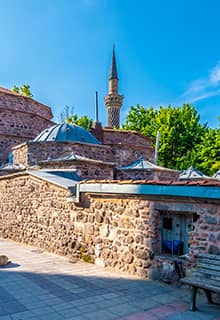
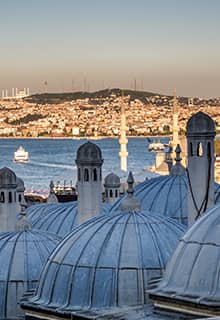
More than a cleansing practice, the Turkish hamam embodies a way of life, shaped by centuries of tradition, social connection, and spiritual renewal. Originating from Roman bath culture and reaching its cultural zenith during the Ottoman Empire, the hamam became a central pillar of daily life across cities, towns, and villages in Türkiye.
The Hamam in Ottoman Culture: Cleanliness, Community, Ceremony
In the Ottoman world, the hamam held both practical and symbolic importance, with the strong emphasis on hygiene and ritual purification, hamams offered a structured space to fulfil both. Yet their role extended far beyond cleanliness.
o Women’s hamams served as communal spaces, where brides were bathed before weddings, mothers celebrated 40-day rituals after childbirth, and women gathered weekly to socialise, sing folk songs, and exchange remedies and recipes.
o For men, the hamam was a place of rest, reflection, and even informal business discussion, frequented by tradesmen, scholars, and state officials alike.
o Some large hamams were commissioned by sultans or prominent figures, not only as architectural marvels but as charitable endowments (vakıf) serving the public.
The hamam was where generations were introduced to communal life, rituals of passage were marked, and health was preserved through steam, sweat, and stillness.
Five Benefits of the Hamam Experience
o Relieves stress and relaxes the nervous system
o Cleanses and rejuvenates the skin
o Eliminates toxins through perspiration and exfoliation
o Improves blood circulation and metabolic function
o Clears the respiratory tract, easing breathing and sinus pressure
A Ritual of Steam and Stillness
The hamam experience typically follows a three-phase structure:
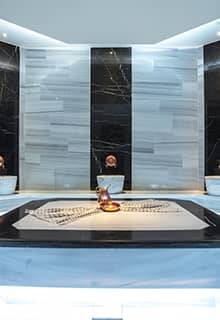
1. Steam bath: Relaxation and perspiration on the heated marble platform (göbektaşı).
2. Kese (exfoliation): Dead skin is scrubbed away using a rough mitt, stimulating blood flow.
3. Foam massage: A full-body wash with warm water and fragrant bubbles.
This ancient process relaxes the muscles, clears the skin, and soothes the spirit, a ritual of both cleansing and contemplation.
Traditional Hamam Tools and Textures
A visit to the hamam is also a sensory journey, guided by simple yet symbolic objects:
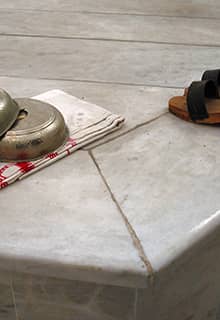
o Pestemal: A handwoven cotton wrap worn in the hamam, light yet absorbent, and traditionally patterned.
o Tas (Copper Bowl): The Tas, is used to pour warm water over the body in rhythmic movements. In some historic hamams, this bowl is engraved with navel motifs, linking it back to the göbektaşı (navel stone), and by extension, to the origins of life. With each scoop, the tas becomes more than a vessel, it becomes a symbolic extension of the göbektaşı’s nurturing role, washing away the old to welcome the new.
o Lif: A natural bath fibre used for gentle washing.
o Olive oil soap: Pure, handmade soap that cleanses deeply while nourishing the skin.
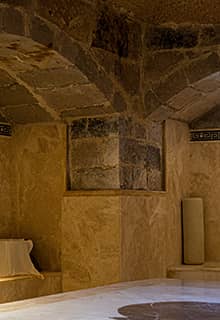
o Marble Göbektaşı (Navel Stone): At the heart of the Turkish hamam lies the Marble Göbektaşı, a large, heated platform where bathers rest, perspire, and prepare for purification. Its name, literally meaning "navel stone", is no coincidence. Symbolically, the göbektaşı evokes the beginning of life, mirroring the warmth and security of the mother’s womb. Here, the body releases tension, and the spirit gently awakens, as if undergoing a quiet rebirth.
o Rose or lavender water: Occasionally used to scent the space or applied at the end of the ritual for refreshment.
Each item contributes to the rhythm and texture of the hamam ritual, turning a simple bath into a moment of cultural continuity and personal care.
When Water Carries Wisdom: The Lady Montagu Anecdote
In 1717, Lady Mary Wortley Montagu, wife of the British ambassador to the Ottoman Empire, entered a women’s hamam in Istanbul. Amid the steam and soft chatter, she observed local women practising variolation, a method of inoculating children against smallpox.
The trust and openness within the hammam allowed her to learn directly from Ottoman women. She later introduced the technique to England, becoming a pioneer in bringing early immunisation to Europe.
Her experience is not just historical, it reveals the hamam’s unique power as a place where knowledge is quietly passed from woman to woman, generation to generation.
Legacy of Healing and Belonging
Today, Turkish hammams remain beloved symbols of inner and outer renewal, blending steam, marble, conversation, and ritual in an atmosphere that’s both timeless and alive. Whether you visit for physical detox, emotional release, or cultural immersion, the hamam offers a rare kind of therapy: one rooted in human warmth, hospitality, and centuries-old care.